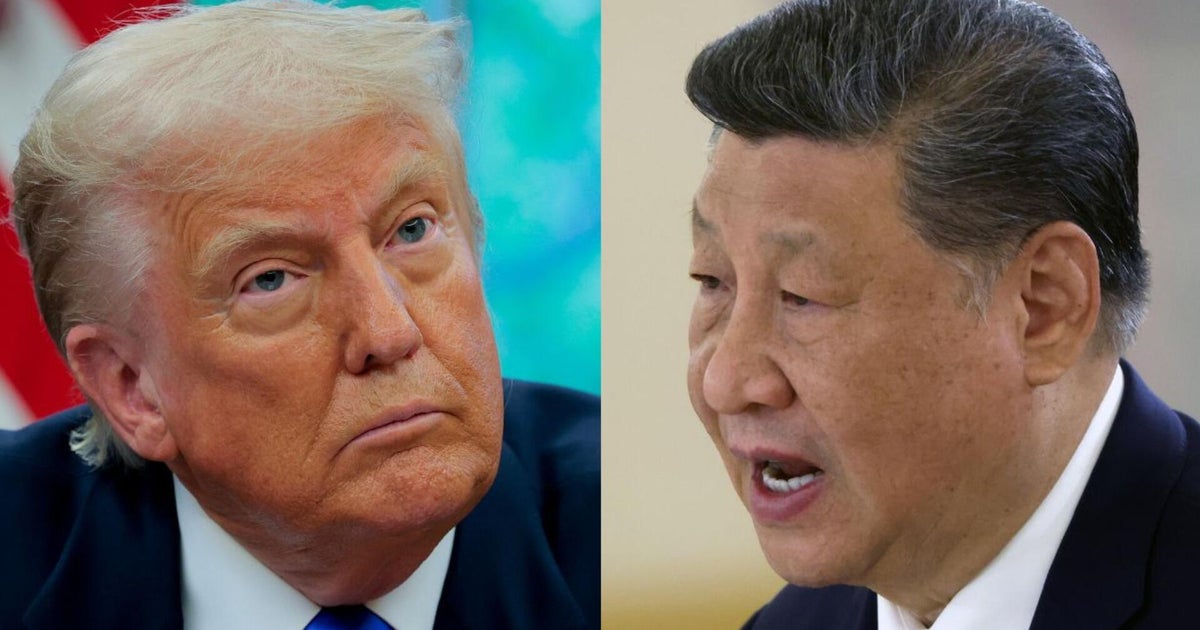
Unraveling the High Stakes of U.S.-China Trade Negotiations
The United States and China, the world’s two largest economies, are locked in high-stakes trade negotiations this month, with outcomes poised to reshape global markets. As tensions simmer over tariffs, technology transfers, and supply chain security, analysts warn the discussions could either stabilize or further destabilize the post-pandemic economic recovery. The talks, held in Beijing and Washington, aim to address longstanding disputes while navigating an increasingly complex geopolitical landscape.
The Core Issues at Play
At the heart of the negotiations lie three pivotal concerns: tariffs, intellectual property (IP) protections, and semiconductor trade restrictions. The U.S. maintains tariffs on approximately $370 billion worth of Chinese goods annually, a legacy of the 2018-2019 trade war. Meanwhile, China has retaliated with its own levies, affecting $110 billion in U.S. exports. Both nations now face mounting pressure to ease these measures as inflation strains consumers and businesses.
“This isn’t just about tariffs anymore—it’s about technological supremacy,” says Dr. Lin Wei, a trade policy analyst at the Beijing Institute of International Studies. “The U.S. wants to curb China’s access to advanced chips, while China seeks to protect its domestic industries from what it views as unfair containment.”
Recent data underscores the economic toll:
- Bilateral trade fell 12% year-over-year in Q1 2023, marking the sharpest decline since 2019
- Over 40% of U.S. manufacturers report supply chain disruptions due to trade uncertainties
- China’s semiconductor imports dropped 22% amid U.S. export controls
Global Repercussions of a Standoff
Should negotiations falter, ripple effects could extend far beyond the two superpowers. The International Monetary Fund (IMF) estimates a prolonged U.S.-China trade conflict might shave 1.5% off global GDP by 2025. Emerging markets, particularly those in Southeast Asia integrated into Chinese supply chains, face disproportionate risks. Vietnam, Malaysia, and Thailand—key hubs for electronics assembly—have already seen export growth slow by 6-8% this year.
European leaders have urged compromise. “A fragmented global economy benefits no one,” stated European Commission President Ursula von der Leyen during last week’s G20 meetings. “We need rules-based cooperation, not zero-sum competition.”
However, hawkish factions in both Washington and Beijing argue for maintaining pressure. U.S. Senator Marco Rubio recently tweeted: “Caving to China on tech transfers would be like handing them the keys to our future economy.” Conversely, China’s state-run Global Times editorialized that “America’s containment strategy will only accelerate our self-reliance.”
Potential Pathways Forward
Observers identify three plausible scenarios:
- Limited Detente: Partial tariff rollbacks paired with renewed agricultural purchases, resembling the 2020 Phase One deal
- Tech Cold War: Escalated export controls with decoupled supply chains, particularly in clean energy and AI sectors
- Strategic Pause: Temporary freeze on new restrictions while establishing working groups for IP and cybersecurity issues
Dr. Alicia Garcia-Herrero, chief Asia-Pacific economist at Natixis, notes: “The most likely outcome is a modest agreement that papers over fundamental differences. Neither side can afford total rupture, but mutual distrust runs too deep for genuine alignment.”
Sector-Specific Impacts to Watch
Four industries hang in the balance:
1. Electric Vehicles (EVs): China dominates lithium-ion battery production (75% global market share), while U.S. seeks to build domestic capacity through the Inflation Reduction Act’s subsidies. Any deal could reshape sourcing requirements for automakers.
2. Agriculture: U.S. soybean farmers, who exported $14 billion to China pre-trade war, hope for restored market access. China may leverage this demand to extract concessions.
3. Semiconductors: With Taiwan producing 60% of the world’s chips, both nations aim to secure supply while limiting rivals’ advancements. Recent Dutch restrictions on ASML’s chipmaking equipment sales to China complicate matters.
4. Rare Earth Minerals: China controls 80% of rare earth processing—crucial for defense tech. The Pentagon is scrambling to diversify sources, investing $35 million in Australian mines last quarter.
What Comes Next in U.S.-China Trade Relations?
As talks continue through summer, businesses worldwide brace for volatility. The U.S. Chamber of Commerce advises members to “prepare for all contingencies,” updating contingency plans for both tariff relief and escalation. Meanwhile, China’s Ministry of Commerce has quietly approved 20% more export licenses for dual-use technologies, signaling potential hardening of positions.
The broader strategic competition ensures trade won’t exist in isolation. Recent incidents—from the spy balloon saga to TikTok hearings—reveal how commercial and security concerns intertwine. “We’re not just negotiating trade terms,” confirms a U.S. State Department official speaking anonymously. “We’re defining the boundaries of 21st-century economic statecraft.”
For now, all eyes turn to the next round of meetings in Geneva, where mid-level officials will attempt to bridge divides before potential leader-level talks at November’s APEC summit. The window for compromise remains narrow, but the costs of failure grow steeper by the quarter.
Call to Action: Stay informed on evolving trade policies by subscribing to our global business newsletter for weekly expert analysis.
See more CCTV News Daily