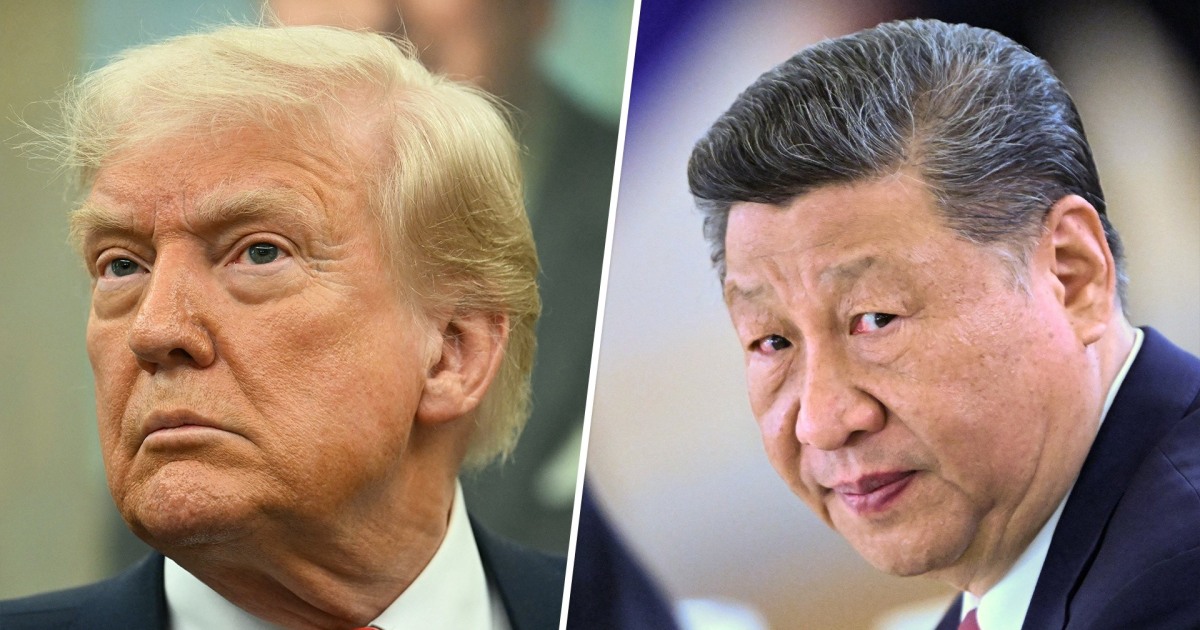
Unpacking the Stakes: What the US-China Trade Negotiations Mean for Global Economies
The high-stakes US-China trade negotiations, resuming this month in Washington, could redefine global commerce as both superpowers grapple with tariffs, supply chain disruptions, and geopolitical tensions. With billions in trade volumes at risk, the outcomes may determine whether the world economy tilts toward protectionism or renewed cooperation. Here’s why businesses and governments worldwide are watching closely.
The Current State of US-China Trade Relations
Since 2018, the US and China have engaged in a tit-for-tat trade war, imposing tariffs on over $450 billion worth of goods combined. Although the 2020 Phase One deal temporarily eased tensions, key issues remain unresolved, including:
- Intellectual property theft: The US alleges China’s unfair tech transfer policies cost American firms $50 billion annually.
- Subsidies to state-owned enterprises: China’s industrial subsidies distort global markets, argues the WTO.
- Taiwan and semiconductor dominance: Export controls on advanced chips have escalated strategic rivalry.
Recent data from the Peterson Institute for International Economics shows US tariffs on Chinese goods average 19%, while China’s retaliatory tariffs hover near 21%. Meanwhile, global trade growth slowed to just 1.7% in 2023, down from 5.3% in 2022, partly due to these frictions.
How Global Markets Are Reacting
Financial markets remain volatile as investors weigh potential scenarios. “A breakdown in talks could trigger a 5-7% correction in emerging market stocks,” warns Lydia Guo, chief economist at Hong Kong-based Atlas Capital Group. Conversely, a breakthrough might boost Asia-Pacific equities by up to 10%.
Sectors most exposed include:
- Technology: 60% of rare earth minerals used in electronics come from China.
- Agriculture: US soybean exports to China dropped 40% post-tariffs.
- Automotive: EV battery supply chains span both nations, creating vulnerabilities.
Expert Perspectives on the Negotiations
Opinions diverge on whether compromises are feasible. Former US Trade Representative Michael Froman notes, “Neither side can afford full decoupling, but trust deficits run deep. The focus should be on reciprocal market access.” Meanwhile, Beijing-based trade analyst Zhang Wei argues, “China’s priority is self-reliance. Expect more ‘dual circulation’ policies to reduce dependency on Western imports.”
A 2023 Brookings Institution report suggests middle-ground solutions, like partial tariff rollbacks paired with stricter IP enforcement, could stabilize relations. However, with US elections looming, political posturing may overshadow pragmatism.
The Ripple Effects on Emerging Economies
Developing nations face collateral damage. Vietnam and Mexico, beneficiaries of trade diversion, saw exports to the US surge by 18% and 12% respectively since 2020. Yet, the IMF cautions that prolonged US-China tensions could slash global GDP by $1.4 trillion by 2025.
Countries like Germany and South Korea, deeply integrated in Sino-US supply chains, are also bracing for impact. “A cold economic war would be catastrophic for export-driven economies,” says Berlin-based trade lawyer Claudia Fischer.
What Comes Next?
Short-term expectations are muted, but potential outcomes include:
- Limited agreement: Narrow deals on agriculture or climate-related goods.
- Escalation: Expanded export controls, particularly on AI and quantum computing.
- Long-term realignment: More nations adopting “China+1” supply chain strategies.
For businesses, diversification is now imperative. “Multinationals must audit their supply chains and lobby for clearer trade rules,” advises the Harvard Business Review. As the world’s two largest economies negotiate, the ripple effects will touch every corner of the globe.
Stay informed with our daily trade policy updates—subscribe to our newsletter for expert analysis delivered to your inbox.
See more CCTV News Daily