Ray Dalio Sounds Alarm: Is the U.S. Facing an Economic Heart Attack?
In an increasingly volatile economic landscape, billionaire investor Ray Dalio has raised serious concerns about the trajectory of the United States economy. His recent statements have sparked widespread discussions, highlighting the precarious state of U.S. debt and the potential for a financial crisis that could strike with little warning. As an influential figure with decades of experience in global financial markets, Dalio’s insights are not to be taken lightly. He urges that urgent fiscal reforms are necessary to avert what he describes as an inevitable economic heart attack.
The Debt Crisis: Understanding the Landscape
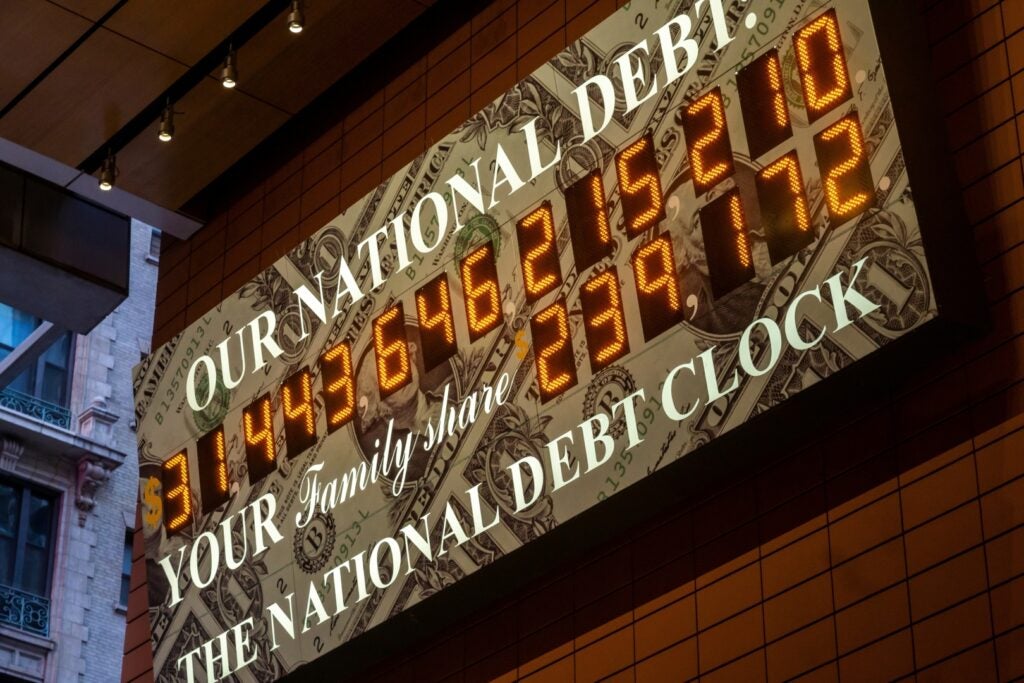
The crux of Dalio’s warning lies in the alarming levels of national debt. As of 2023, the U.S. national debt has surpassed $31 trillion, a staggering figure that raises eyebrows across the financial world. This debt has been fueled by years of budget deficits, where government spending has consistently outpaced revenue. Dalio’s stance is that this unsustainable trajectory could lead to a catastrophic scenario if not addressed promptly.
Dalio highlights several key factors contributing to the current debt crisis:
- Increased Government Spending: The COVID-19 pandemic led to unprecedented government expenditures aimed at economic recovery. While necessary at the time, these measures significantly exacerbated the national debt.
- Rising Interest Rates: As the Federal Reserve increases interest rates to combat inflation, the cost of servicing existing debt rises, further straining government finances.
- Stagnant Economic Growth: With growth projections showing signs of slowing, the ability of the government to generate revenue through taxes diminishes, leaving a widening gap that needs to be filled.
The Implications of a Potential Crisis
Dalio’s alarm bells are not merely about numbers; they reflect deeper implications for the American public and the global economy. A debt crisis could lead to:
- Higher Taxes: To manage debt levels, the government may be forced to increase taxes, which could negatively impact consumer spending and economic growth.
- Reduced Public Services: A significant portion of federal budgets goes towards programs like Social Security, Medicare, and education. A debt crisis may force cuts to these critical services.
- Investor Confidence Erosion: If investors perceive the U.S. as unable to manage its debt, it could lead to a sell-off in U.S. Treasury bonds, dramatically increasing borrowing costs for the government.
Ray Dalio’s Call for Urgent Fiscal Reforms
In light of these potential consequences, Dalio has passionately advocated for a series of fiscal reforms aimed at stabilizing the economy. His recommendations include:
- Comprehensive Spending Review: A thorough evaluation of government spending to identify and eliminate inefficiencies and wasteful expenditures.
- Tax Reform: Revisiting the tax code to ensure it is equitable and generates sufficient revenue without stifling economic growth.
- Long-term Investment in Growth: Prioritizing investments in infrastructure, education, and technology to stimulate economic growth and improve productivity.
Dalio’s proposals are not merely theoretical; they stem from his extensive experience as the founder of Bridgewater Associates, one of the world’s largest hedge funds. His understanding of macroeconomic trends positions him uniquely to assess the risks facing the U.S. economy.
Broader Perspectives on Economic Stability
While Dalio’s alarm serves as a wake-up call, it’s essential to consider broader perspectives on economic stability. Some economists argue that the U.S. dollar’s status as the world’s primary reserve currency offers a buffer against immediate crises. This status allows the U.S. to borrow at lower interest rates, providing some leeway in managing debt levels.
Moreover, many believe that a debt crisis can be mitigated through strategic policy adjustments rather than drastic cuts or tax hikes. For instance, investing in emerging technologies and green energy could create new jobs and stimulate economic growth.
Lessons from History
Historically, the U.S. has faced numerous economic challenges, including the Great Depression and the 2008 financial crisis. Each of these events prompted significant reforms and adaptations. Drawing parallels to today’s situation, it is crucial to remember that economic crises often precipitate innovation and change.
During the Great Depression, the U.S. implemented the New Deal, which transformed the role of government in the economy. Similarly, the 2008 crisis led to regulatory reforms such as the Dodd-Frank Act, aimed at preventing future financial disasters. The current economic landscape may necessitate a new wave of reforms that adapt to the realities of the 21st century.
Conclusion: Taking Proactive Steps
Ray Dalio’s warning is a crucial reminder of the fragility of the U.S. economic system. As the nation grapples with unprecedented debt levels, it is imperative for policymakers to act decisively. The potential for an economic heart attack looms large, but with proactive measures, the U.S. can chart a path toward stability and growth.
In this critical juncture, the collaboration of government, industry leaders, and the public is essential. By embracing innovation, reforming fiscal policies, and prioritizing sustainable growth, the U.S. can not only avert a crisis but also emerge stronger and more resilient.
In the end, the question remains: will we heed Dalio’s warning and take the necessary steps to safeguard our economic future, or will we risk an irreversible crisis? The time for action is now.
See more CCTV News Daily