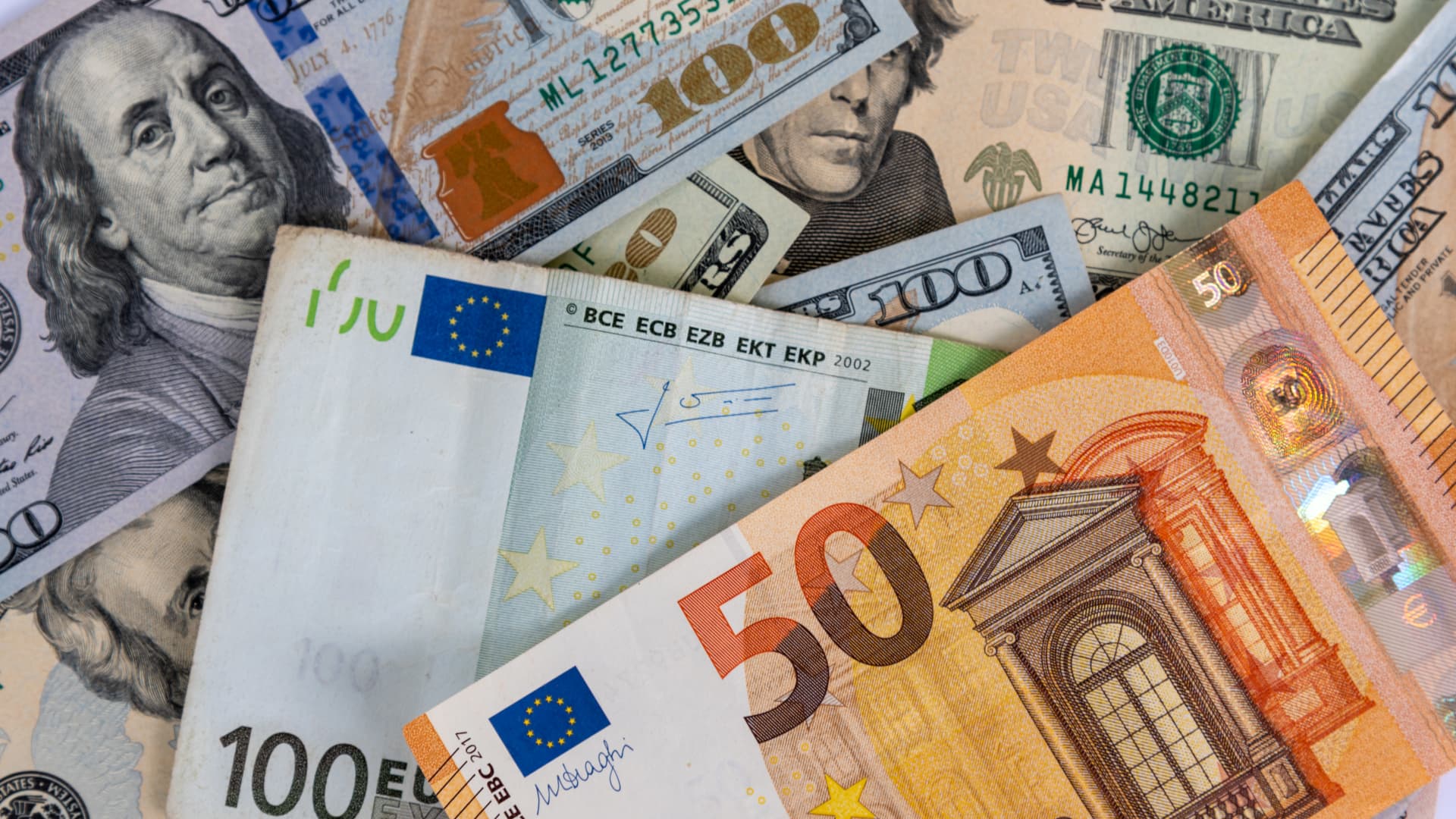
The Dollar’s Rise: Analyzing Europe’s Economic Winners and Losers
As the U.S. dollar strengthens against the backdrop of global economic shifts, its effects reverberate throughout Europe, casting light on an array of surprising beneficiaries and unexpected casualties. Understanding these dynamics is crucial for businesses, investors, and policymakers as they navigate the complexities of currency fluctuations and their implications for European markets.
The Dollar’s Strength: A Brief Overview
The U.S. dollar has experienced a significant appreciation in recent years due to a combination of factors, including robust economic growth, rising interest rates set by the Federal Reserve, and geopolitical uncertainties that have driven investors toward the perceived safety of the dollar. This rise in value has profound implications for international trade, investment, and economic stability, particularly in Europe.
As the dollar gains strength, currencies across Europe face pressures, creating a mixed bag of economic outcomes. Some sectors thrive, while others struggle. Let’s delve deeper into this complex landscape of winners and losers.
Winners in Europe: Sectors Benefiting from the Dollar’s Rise
Several sectors in Europe stand to gain from the dollar’s appreciation. Below are key beneficiaries:
- Exporters to the U.S.: Companies that export goods to the United States benefit from the dollar’s strength. When the dollar is strong, European products become relatively cheaper for American consumers, potentially increasing sales. Industries such as automotive, machinery, and luxury goods often find new opportunities in the U.S. market.
- Tourism Sector: The dollar’s strength can attract more American tourists to Europe. The favorable exchange rate makes European destinations more affordable for U.S. travelers, boosting revenues for hotels, restaurants, and attractions across the continent.
- Technology and Startups: European tech firms that receive funding in dollars may find themselves with increased capital due to favorable exchange rates. This can fuel innovation and growth in the tech sector, particularly in countries like Germany, France, and the Netherlands.
Losers in Europe: Industries Facing Challenges
While some sectors benefit, others face significant challenges as a result of the dollar’s rise:
- Import-Dependent Industries: Industries reliant on imports from the U.S. or dollar-denominated goods may struggle with increased costs. For example, European manufacturers sourcing components from the U.S. might see their expenses rise, impacting profit margins and competitiveness.
- Tourism from Europe to the U.S.: Conversely, European travelers face higher costs when visiting the United States. This could lead to a decrease in outbound tourism, affecting airlines, travel agencies, and related sectors.
- Agricultural Exports: European farmers exporting to dollar-dominated markets may find themselves at a disadvantage as competition intensifies. The relative pricing of agricultural goods can shift, impacting their bottom line.
Currency Fluctuations and European Trade Balance
The rise of the dollar is not just about individual sectors but also significantly influences Europe’s overall trade balance. A stronger dollar can lead to:
- Increased Trade Deficits: If European exports to the U.S. rise while imports from the U.S. increase due to favorable pricing, it could exacerbate trade deficits for certain countries.
- Pressure on the Euro: The European Central Bank (ECB) may face pressure to adjust monetary policy in response to the dollar’s strength. This can lead to a stronger euro, which could further complicate trade dynamics.
- Investment Shifts: Investors might shift their focus based on currency valuations, impacting foreign direct investment flows into Europe. Strong dollar valuations could divert investments toward U.S. markets.
In light of the dollar’s strengthening, European policymakers must consider various strategies to mitigate adverse effects while maximizing potential benefits:
- Monetary Policy Adjustments: The ECB may consider adjusting interest rates or engaging in quantitative easing to counteract the dollar’s impact on the euro.
- Trade Agreements: Strengthening trade agreements with non-dollar economies could help diversify trade and reduce vulnerability to fluctuations in the dollar.
- Support for Affected Industries: Targeted support for sectors hit hardest by the dollar’s rise, such as manufacturing and agriculture, could help stabilize the economy.
Long-term Implications: A Global Perspective
The dollar’s rise has far-reaching implications beyond immediate winners and losers. It reshapes the global economic landscape, influencing everything from investment trends to international relations. As the euro fluctuates against the dollar, European economies must adapt and innovate to remain competitive.
In the long run, the strength of the dollar could lead to:
- Increased Economic Resilience: European countries that adapt quickly to changing currency dynamics may emerge stronger and more resilient in the global market.
- Shifts in Global Supply Chains: Companies may reevaluate their supply chains to mitigate risks associated with currency fluctuations, leading to potential restructuring in industries across Europe.
- Enhanced Collaboration: The challenges posed by a strong dollar could encourage greater collaboration between European nations to ensure sustainability and growth in the face of external pressures.
Conclusion: Adapting to a New Economic Reality
The rise of the dollar presents both opportunities and challenges for Europe. By understanding the dynamics of this currency fluctuation, European businesses and policymakers can strategize effectively to navigate the complexities of the global economy. Embracing adaptability, innovation, and collaboration will be key to thriving in this ever-evolving landscape.
As we move forward, the interplay between the dollar and European currencies will continue to shape economic realities across the continent. Staying informed and proactive will empower stakeholders to leverage the dollar’s rise for sustainable growth and prosperity in Europe.
See more CCTV News Daily