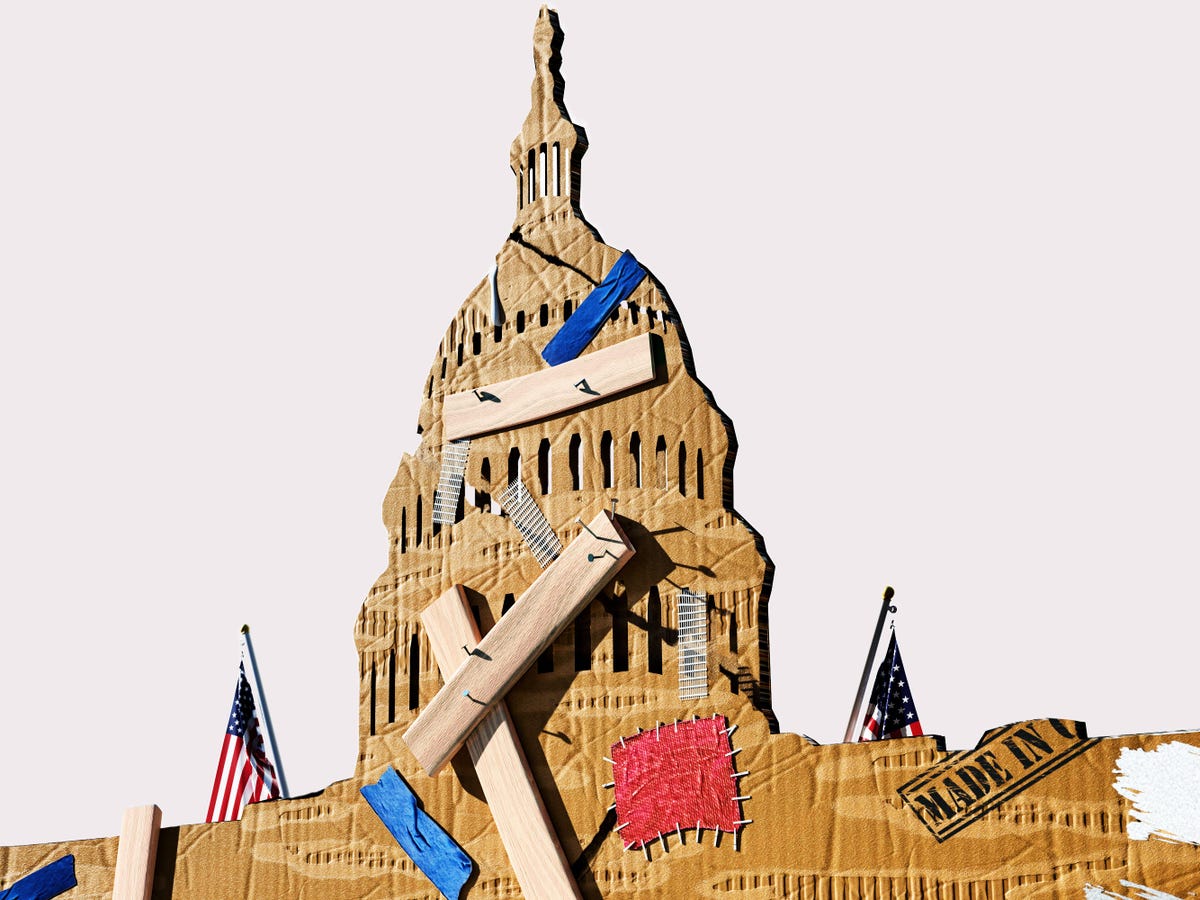
Is the US Economy on the Brink? Analyzing Rising Recession Risks and Unemployment Trends
As we traverse through the latter part of 2023, the United States economy finds itself at a crucial juncture. Numerous indicators suggest that we may be approaching a significant slowdown, raising concerns about whether the US economy is on the brink of a recession. This article will explore the latest unemployment data, economic trends, and the potential implications of these developments for individuals and businesses across the nation.
Understanding the Economic Landscape
The US economy has shown resilience in many areas over the past few years, recovering from the unprecedented challenges posed by the COVID-19 pandemic. However, recent signs indicate that this recovery may be faltering. The combination of high inflation, fluctuating interest rates, and geopolitical tensions has created an uncertain economic environment. As a result, the question arises: Are we witnessing the early stages of a recession?
Unemployment Trends: A Key Indicator
One of the most telling indicators of economic health is the unemployment rate. As of October 2023, the unemployment rate has begun to show signs of an upward trend, moving from a low of 3.5% earlier in the year to approximately 4.2%. This increase may appear modest, but it reflects a significant shift in the job market.
To understand the implications of rising unemployment, it’s essential to consider several factors:
- Labor Market Dynamics: A sudden rise in unemployment often indicates that businesses are bracing for a downturn. Companies may start laying off employees or freezing hiring as they anticipate reduced consumer demand.
- Wage Growth: While wage growth has been robust, rising unemployment can lead to stagnation in wage increases, impacting consumer spending power.
- Consumer Confidence: As unemployment rises, consumer confidence typically wanes. People are less likely to spend money if they fear losing their jobs or if they are already unemployed.
Factors Contributing to Economic Slowdown
Several underlying factors contribute to the current economic slowdown and the rising unemployment trends:
- Inflation: Inflation rates have soared to levels not seen in decades, driven by supply chain disruptions and increased demand as the global economy reopened. Persistent inflation erodes purchasing power and forces the Federal Reserve to take action, such as raising interest rates.
- Interest Rates: The Federal Reserve has been proactive in its attempts to combat inflation, resulting in multiple interest rate hikes. Higher borrowing costs can stifle business investment and consumer spending, further slowing economic growth.
- Global Factors: Geopolitical tensions, including conflicts and trade disputes, have added uncertainty to the global economy. Such instability can affect US exports and overall economic confidence.
The Impact on Different Sectors
The ramifications of a potential recession and rising unemployment are not uniform across all sectors. Here’s how different industries may be affected:
- Technology: The tech sector has been a major driver of job growth in recent years. However, as companies reassess their growth strategies amid economic uncertainty, layoffs in this sector could become more common.
- Retail: Retailers are particularly sensitive to consumer spending patterns. Increased unemployment and decreased consumer confidence can lead to lower sales, prompting businesses to cut costs and reduce staff.
- Manufacturing: Manufacturing jobs are often some of the first to be affected during economic slowdowns. A decrease in demand for goods can lead to production cuts and layoffs.
Potential Solutions and Strategies
While the current economic landscape presents challenges, there are strategies that can be implemented to mitigate the effects of a potential recession:
- Investment in Workforce Development: Companies can focus on upskilling their workforce to adapt to changing market demands. By investing in employee training, businesses can enhance productivity and reduce the need for layoffs.
- Diversification: Businesses should consider diversifying their product lines or services to minimize the impact of economic fluctuations. This can help stabilize revenue streams during downturns.
- Financial Preparedness: Individuals and businesses alike should prioritize savings and financial planning. Building an emergency fund can provide a buffer against job loss and economic hardship.
Looking Ahead: Optimism Amid Uncertainty
Despite the rising recession risks and changing unemployment trends, there are reasons to remain optimistic about the US economy. Historically, the economy has demonstrated resilience, often rebounding from downturns stronger than before. Here are a few factors that may contribute to a positive outlook:
- Innovation and Adaptation: The American economy is marked by its ability to innovate. New technologies and business models continue to emerge, driving growth and creating new job opportunities.
- Strong Consumer Spending: The US consumer remains a powerful force, and spending has remained robust in many sectors, indicating that there is still demand despite rising costs.
- Government Support: Policymakers are aware of the potential risks and may take steps to support the economy, such as stimulus measures or targeted fiscal policies.
Conclusion
In conclusion, while the US economy may face challenges on the horizon, it is essential to approach the situation with a balanced perspective. Analyzing rising recession risks and unemployment trends offers valuable insights into the current economic landscape. By focusing on proactive strategies and remaining adaptable, both individuals and businesses can navigate these uncertain times effectively. The road ahead may be bumpy, but with resilience and innovation, the US economy has the potential to emerge from this phase stronger than before.
See more CCTV News Daily