U.S. Payroll Surge: April’s Job Growth Defies Economic Forecasts
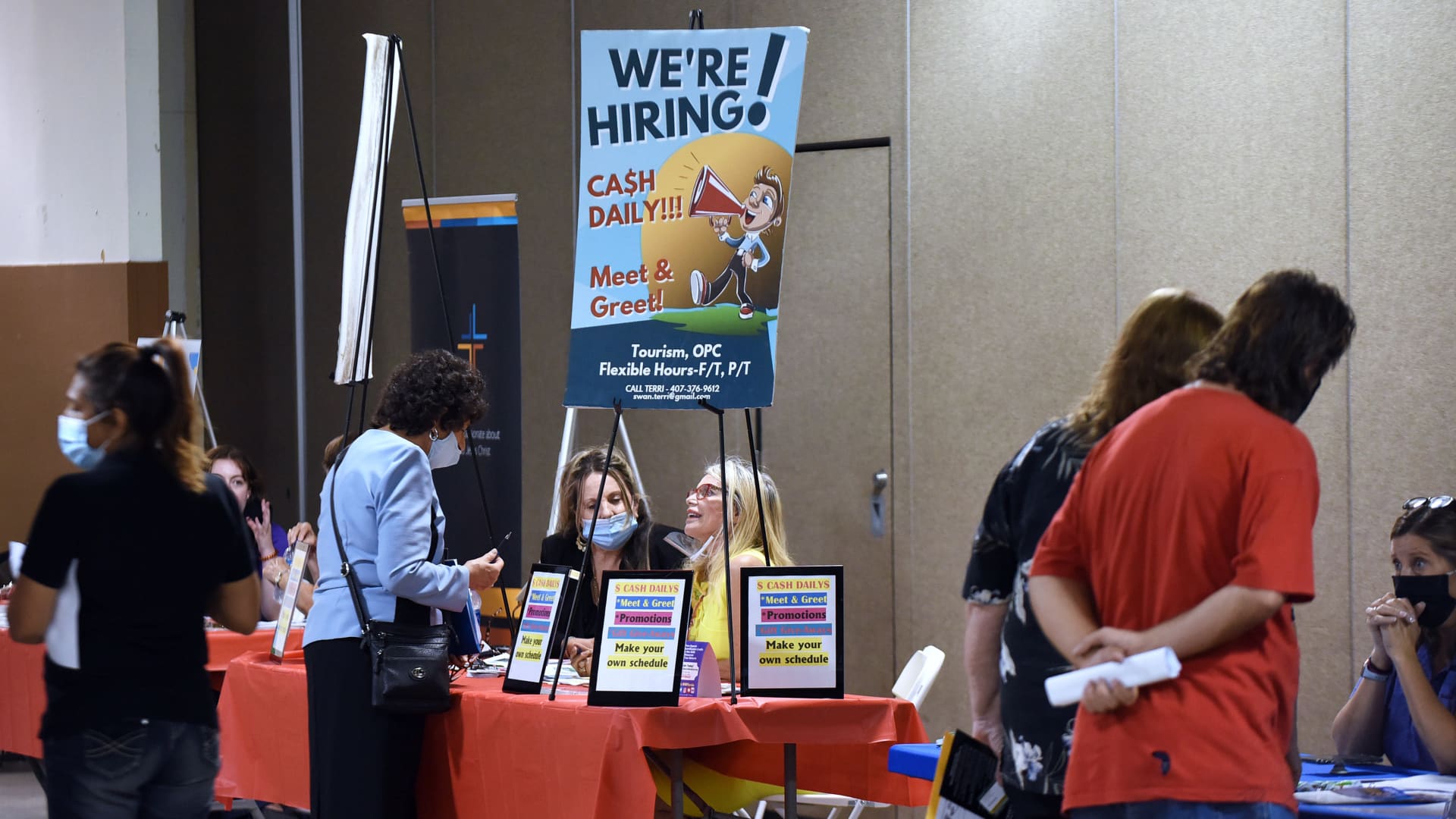
In a robust display of economic resilience, the U.S. labor market added 177,000 jobs in April, exceeding analyst projections and signaling continued momentum in the nation’s recovery. The Department of Labor reported the uptick on Friday, May 3, 2024, with gains spread across healthcare, professional services, and manufacturing sectors. The unexpected surge has reignited debates about the Federal Reserve’s monetary policy path and whether the economy can maintain this pace amid persistent inflation and global uncertainties.
Breaking Down the Numbers: Where Job Growth Flourished
The April jobs report revealed broad-based gains, with three sectors leading the charge:
- Healthcare: Added 52,000 jobs, driven by demand for ambulatory care and hospital staffing
- Professional & Business Services: Grew by 48,000 positions, particularly in consulting and technical roles
- Manufacturing: Saw a surprising 24,000-job increase despite supply chain concerns
The unemployment rate held steady at 3.8%, while wage growth moderated slightly to 4.1% year-over-year—a detail economists say could influence Fed decisions. “This isn’t just a flash in the pan,” noted Dr. Evelyn Carter, chief economist at the Brookings Institute. “We’re seeing structural shifts as employers adapt to new technologies and hybrid work models, creating sustainable opportunities.”
Why Experts Underestimated the Labor Market’s Strength
Many analysts had projected just 145,000 new jobs for April, citing cooling demand and high-profile layoffs in the tech sector. However, several factors contributed to the overshoot:
- Strong small business hiring (accounting for 58% of new jobs)
- Rebounding consumer spending in services
- Increased infrastructure project staffing from the 2021 bipartisan law
Mark Williams, a former Fed examiner now teaching at Boston University, cautioned against over-optimism: “The labor force participation rate remains stuck at 62.7%. Without more workers entering the market, wage pressures could reignite inflation later this year.”
Implications for Federal Reserve Policy and Interest Rates
The stronger-than-expected report complicates the Fed’s inflation fight. While Chair Jerome Powell recently signaled potential rate cuts in 2024, persistent job growth may delay that timeline. Bond markets immediately reacted, with 10-year Treasury yields jumping 12 basis points following the report’s release.
Sector Spotlight: Healthcare’s Unstoppable Expansion
Healthcare employment has now grown for 32 consecutive months, reflecting aging demographics and pandemic-era backlogs. April’s standout performers included:
- Home healthcare services (+15,200 jobs)
- Physicians’ offices (+11,400 jobs)
- Medical labs (+6,300 jobs)
“Every metric we track shows healthcare staffing shortages will persist through the decade,” said Amanda Reyes of the American Hospital Association. “This isn’t cyclical growth—it’s a fundamental recalibration of workforce needs.”
Balancing Act: Can Growth Continue Without Fueling Inflation?
The report’s mixed signals—strong hiring but moderating wage growth—leave economists divided. Some key considerations:
- Job openings have fallen to 8.5 million from 2022’s peak of 12 million
- Quit rates normalized at 2.2%, suggesting reduced worker bargaining power
- Productivity grew 3.2% in Q1, helping offset labor costs
“The Goldilocks scenario remains possible,” argued Goldman Sachs economist Jan Hatzius. “But April’s numbers show we’re walking a tightrope between sustainable growth and overheating.”
Regional Variations: Sun Belt vs. Rust Belt Dynamics
Geographic disparities emerged in the data, with Southern states accounting for 43% of new jobs. Texas, Florida, and Georgia led in manufacturing and logistics hiring, while Midwestern states saw more modest gains. The Northeast’s growth concentrated in biotech and education services, reflecting regional specialization trends.
What Comes Next for Workers and Employers?
With job growth outpacing expectations, attention turns to sustainability. Key factors to watch include:
- May’s wage growth data (due June 7)
- Fed’s June 12 policy meeting
- Q2 GDP estimates (late July)
Workers should note the shifting landscape: while opportunities abound in healthcare and skilled trades, sectors like tech and finance show slowing momentum. Employers, meanwhile, face continued pressure to offer flexible arrangements and upskilling programs.
For deeper analysis of how these trends affect your industry, subscribe to our weekly labor market newsletter featuring exclusive data and expert commentary.
See more CCTV News Daily