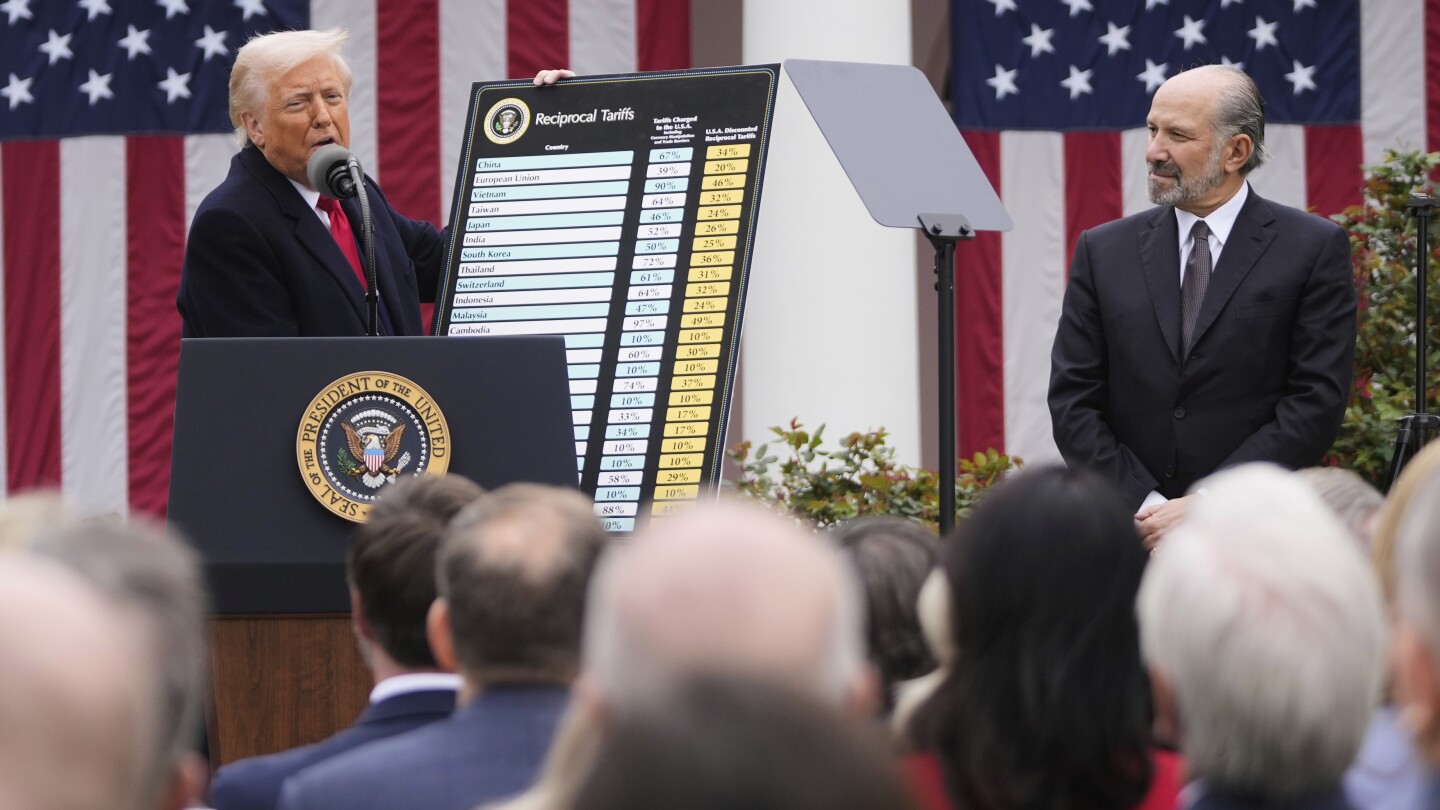
Global Response to U.S. Tariffs: A Cautious Balancing Act
The United States has sparked international scrutiny by implementing “reciprocal” tariffs on imports from multiple nations, prompting measured yet strategic responses from affected countries. As trade tensions escalate, governments worldwide are weighing economic retaliation against diplomatic restraint, creating a precarious situation that could redefine global commerce. The tariffs, introduced in early 2024, target steel, aluminum, and technology sectors, raising concerns about inflation and supply chain disruptions.
The Rationale Behind U.S. Tariff Strategy
The Biden administration defends the tariffs as necessary to protect domestic industries and counter unfair trade practices. U.S. Trade Representative Katherine Tai recently stated, “These measures level the playing field for American workers and businesses facing distorted global markets.” However, critics argue the approach risks igniting a trade war, pointing to the 2018-2019 tariff conflicts that cost the U.S. economy nearly $50 billion, according to the Tax Foundation.
Key motivations behind the policy include:
- Reducing reliance on foreign manufacturing, particularly in critical sectors
- Addressing alleged intellectual property theft and forced technology transfers
- Countering China’s subsidized exports, which comprise 30% of global steel production
International Reactions: A Spectrum of Responses
Nations impacted by the tariffs have adopted divergent strategies, reflecting their economic dependencies and political calculations. The European Union, while condemning the measures, has paused retaliatory tariffs in hopes of negotiations. Meanwhile, China has vowed “proportional countermeasures,” signaling potential restrictions on rare earth mineral exports—a sector it dominates with 80% of global supply.
Emerging economies face tougher choices. India, for instance, has cautiously increased duties on U.S. agricultural imports by 15%, while Mexico has prioritized backchannel diplomacy. Dr. Elena Rodriguez, a trade economist at the Peterson Institute, notes: “Smaller economies are walking a tightrope—they lack leverage for aggressive retaliation but can’t afford passive acceptance.”
Economic Ripple Effects and Sector-Specific Impacts
The tariffs are already reshaping trade flows. U.S. import data shows a 12% decline in Chinese electronics since January, while Vietnamese and Malaysian exports to America have surged by 18%. Automakers and renewable energy companies warn of rising costs, with solar panel prices projected to increase 22% this year.
Notable consequences include:
- Disrupted supply chains forcing manufacturers to relocate production
- Higher consumer prices, with the IMF forecasting 0.7% global inflation uptick
- Shift toward regional trade blocs as countries bypass U.S. restrictions
The Diplomatic Tightrope: Trade Wars vs. Multilateral Solutions
While some nations advocate for WTO arbitration, others explore bilateral workarounds. South Korea recently sidestepped tariffs by agreeing to quota-based steel exports to the U.S. Such deals, however, risk fragmenting the rules-based trading system. The G20’s emergency meeting next month will test whether collective action can prevent further escalation.
Historical parallels loom large. The Smoot-Hawley tariffs of 1930 exacerbated the Great Depression, while 1980s auto tariffs temporarily saved jobs but stifled innovation. Today’s interconnected economies make the stakes even higher—global trade accounts for 60% of world GDP compared to just 30% in 1960.
Future Outlook: Pathways to De-escalation
Experts identify three potential scenarios:
- Negotiated compromise: Tariffs become bargaining chips for broader agreements
- Prolonged stalemate: Leads to entrenched trade blocs and reduced growth
- Systemic collapse: Triggering a domino effect of protectionism
The coming months will prove pivotal. Businesses should prepare contingency plans, while policymakers must balance domestic priorities with global cooperation. As supply chain vulnerabilities persist, the crisis may accelerate trends like nearshoring and digital trade frameworks.
For ongoing analysis, subscribe to our trade policy newsletter tracking real-time developments and expert commentary.
See more CCTV News Daily