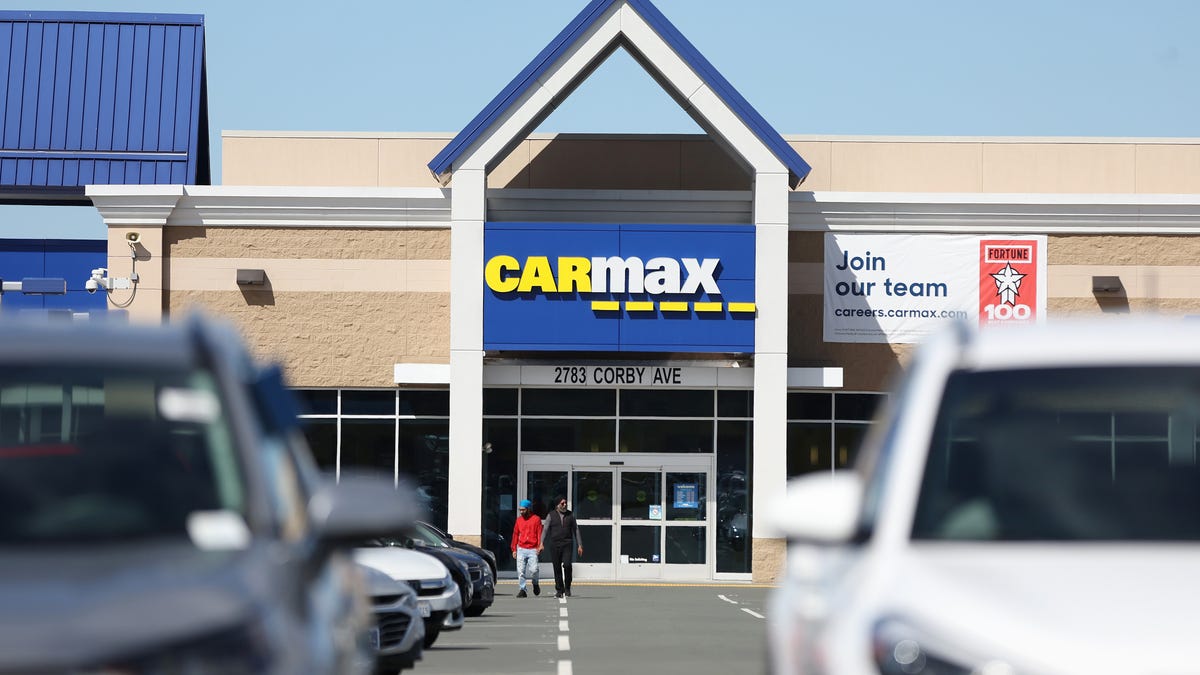
Auto Industry Turmoil: Used Car Stocks Plummet Amidst Dwindling Demand
The used car market is experiencing unprecedented turbulence as inventory levels surge and buyer demand falters, prompting Goldman Sachs to downgrade its outlook for the automotive sector. Over the past six months, used vehicle stocks have climbed by 18% while prices dropped 7%, creating a ripple effect across dealerships and investors. Analysts attribute the shift to economic uncertainty, rising interest rates, and a glut of off-lease vehicles returning to the market.
Goldman Sachs Sounds the Alarm
In a recent report, Goldman Sachs adjusted its 2024 projections for auto-related stocks, citing “persistent weakness in used vehicle valuations.” The investment bank noted that used car inventories now exceed 60 days’ supply—a 25% increase from 2023—while auction prices for 3-year-old vehicles fell to their lowest level since 2020. “The market is facing a perfect storm of oversupply and cooling demand,” said automotive analyst Rebecca Torrez. “Consumers are prioritizing essentials, and used cars are becoming a discretionary purchase for many.”
Key data points driving the revised outlook:
- Used car sales dropped 12% year-over-year in Q1 2024
- Average listing prices declined to $26,400 from $28,900 in 2023
- Dealer profit margins compressed by 3.8 percentage points
Root Causes of the Market Shift
Multiple factors converged to create the current downturn. The post-pandemic buying frenzy—when supply chain disruptions drove consumers toward used vehicles—has fully unwound. Meanwhile, economic pressures are reshaping buyer behavior:
“Households are feeling the pinch from inflation and higher borrowing costs,” explained Mark Chen, senior economist at the Automotive Research Center. “With used car loan rates averaging 11.2%, many potential buyers are postponing purchases or opting for public transportation.”
Additional contributing factors include:
- A flood of off-lease vehicles entering the market (up 34% from 2023)
- Improved new car inventory levels reducing demand for substitutes
- Gen Z buyers showing stronger preference for ride-sharing than ownership
Dealerships Adapt to Challenging Conditions
Franchised and independent dealers are employing creative strategies to clear growing inventories. Some are expanding online sales channels, while others are offering unprecedented warranties on used vehicles. “We’ve shifted to a volume-over-margin approach,” acknowledged Greg Underwood, owner of a 12-store dealership group in Texas. “It’s better to move metal at break-even than pay floorplan interest on aging stock.”
The inventory glut has created opportunities for certain buyers:
- Credit-challenged shoppers now have more options as lenders relax standards
- Fleet operators are acquiring late-model used vehicles at discounts
- DIY mechanics find abundant project cars at auction
Broader Implications for the Auto Ecosystem
The used car market’s struggles are reverberating through related industries. Auto lenders have tightened underwriting standards, fearing higher default rates. Aftermarket parts suppliers report slowing demand as fewer vehicles change hands. Even rental car companies—typically major sellers of used fleet vehicles—are extending service cycles to avoid depressed resale values.
However, some analysts see silver linings. “This correction brings prices closer to historical norms,” noted Torrez. “For buyers who can secure financing, there hasn’t been a better time to purchase a used vehicle in years.”
What Comes Next for the Automotive Sector?
Industry observers predict several potential developments:
- Consolidation among smaller dealership groups unable to sustain thin margins
- Increased adoption of subscription models as alternatives to ownership
- Manufacturers may reduce lease terms to prevent future oversupply
Chen warns the market may not stabilize until 2025: “We’re seeing fundamental changes in transportation preferences. The industry must adapt to a new normal where vehicle ownership grows more selective.”
For consumers considering a used car purchase, experts recommend:
- Comparing financing options beyond dealer-arranged loans
- Requesting full vehicle history reports to avoid flood-damaged inventory
- Negotiating aggressively—dealers have more flexibility than in recent years
As the automotive landscape evolves, stakeholders across the spectrum must rethink strategies for an era of constrained demand. Industry professionals can stay ahead by subscribing to our automotive market newsletter for monthly analysis and trend forecasts.
See more CCTV News Daily