Balancing Progress and Community: The Impact of Data Centers on Virginia’s Economy
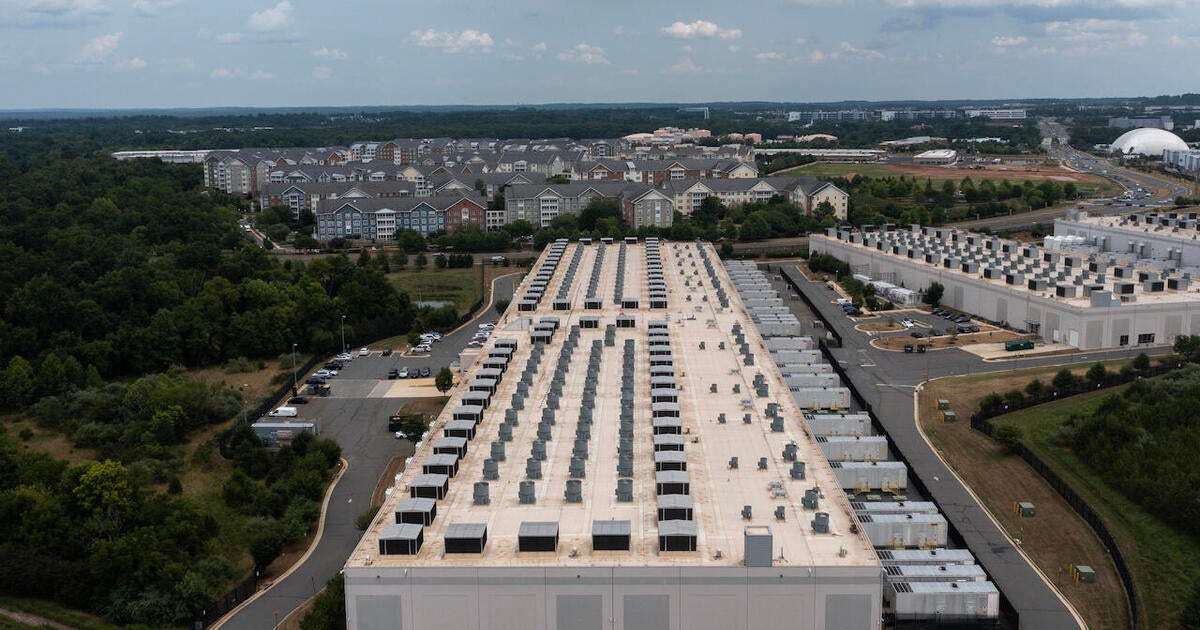
As Virginia’s economy increasingly hinges on data centers, local residents express concerns over their encroachment on communities. This tension between economic growth and community preservation highlights a significant issue in modern society: how to embrace technological advancement while safeguarding the fabric of local communities. In this article, we delve into the multifaceted impact of data centers on Virginia’s economy, the concerns of local residents, and the ongoing dialogue about balancing progress with community values.
The Rise of Data Centers in Virginia
In recent years, Virginia has emerged as a powerhouse in the data center industry. The state is now home to more than 200 data centers, primarily concentrated in Northern Virginia. This rapid growth can be attributed to several factors, including:
- Strategic Location: Virginia’s proximity to Washington, D.C., and major internet hubs makes it an ideal location for data centers.
- Robust Infrastructure: The state boasts a strong telecommunications infrastructure and reliable power sources, essential for the operation of data centers.
- Tax Incentives: State and local governments offer various incentives to attract data centers, including tax breaks and streamlined permitting processes.
These factors have led to significant investments from major tech companies like Amazon, Microsoft, and Google, creating thousands of jobs and contributing to the state’s economic growth. However, this progress comes with its own set of challenges.
Economic Benefits of Data Centers
Data centers play a crucial role in Virginia’s economy, providing numerous benefits that cannot be overlooked:
- Job Creation: The data center industry supports a wide range of jobs, from construction to IT management, providing stable employment opportunities for local residents.
- Increased Tax Revenue: Data centers contribute significantly to local and state tax revenues, which can be reinvested in community services such as education, healthcare, and infrastructure.
- Boosting Local Businesses: The presence of data centers stimulates local economies, as workers and contractors spend money in nearby shops, restaurants, and services.
According to the Virginia Economic Development Partnership, the data center industry has generated billions in economic impact, underscoring its importance to the state’s financial future.
Concerns from Local Communities
Despite the economic advantages, many Virginia residents express concerns about the rapid expansion of data centers. Their worries can be summarized in several key points:
- Environmental Impact: Data centers consume vast amounts of electricity, raising concerns about their carbon footprint and potential strain on local power grids.
- Community Displacement: The construction of large facilities can lead to the displacement of local residents and the alteration of community landscapes.
- Noise Pollution: Data centers generate significant noise from cooling systems and backup generators, which can disrupt the peace in surrounding neighborhoods.
These issues have sparked heated debates in local communities, prompting residents to voice their opinions at town hall meetings and through social media platforms. Many residents feel that their voices are often drowned out by the allure of economic gains.
Finding the Balance: Strategies for Sustainable Development
In light of these concerns, it is vital to explore strategies that can help balance economic growth with community preservation. Here are a few approaches that could be implemented:
- Community Engagement: Developers and local governments should prioritize open dialogue with residents, ensuring their concerns are heard and addressed in planning processes.
- Environmental Regulations: Implementing strict environmental regulations can help mitigate the ecological impact of data centers, promoting sustainable practices in energy use and construction.
- Smart Planning: Local governments can create zoning laws that designate specific areas for data centers, preventing encroachment on residential neighborhoods and preserving green spaces.
By fostering collaboration between data center developers, local governments, and community members, Virginia can create a framework that encourages economic growth while respecting the needs and values of its residents.
Case Studies: Successful Balancing Acts
Several communities in Virginia have already begun implementing strategies to balance progress with community preservation. For instance:
- Loudoun County: This area has established a comprehensive master plan that includes provisions for noise reduction and environmental safeguards, allowing for data center growth while addressing community concerns.
- Prince William County: Local officials have engaged in proactive discussions with residents, leading to the establishment of a community advisory board that collaborates with developers on new projects.
These case studies illustrate that with the right approach, it is possible to harness the economic benefits of data centers while preserving the character and integrity of local communities.
The Future of Data Centers in Virginia
Looking ahead, the future of data centers in Virginia appears bright, yet it is imperative to remain vigilant about community concerns. The ongoing evolution of technology and the increasing demand for data storage and processing capabilities will likely lead to further growth in this sector. However, stakeholders must prioritize sustainable practices and community engagement to ensure that progress does not come at the expense of local residents.
In conclusion, as Virginia’s economy increasingly hinges on data centers, the challenge lies in balancing this growth with the preservation of community values. By engaging with residents, implementing sustainable practices, and learning from successful case studies, Virginia can pave the way for a future where economic advancement and community well-being coexist harmoniously. The dialogue around this issue is vital, and it is through collaboration and understanding that the state can navigate the complexities of modern technological growth.
See more CCTV News Daily