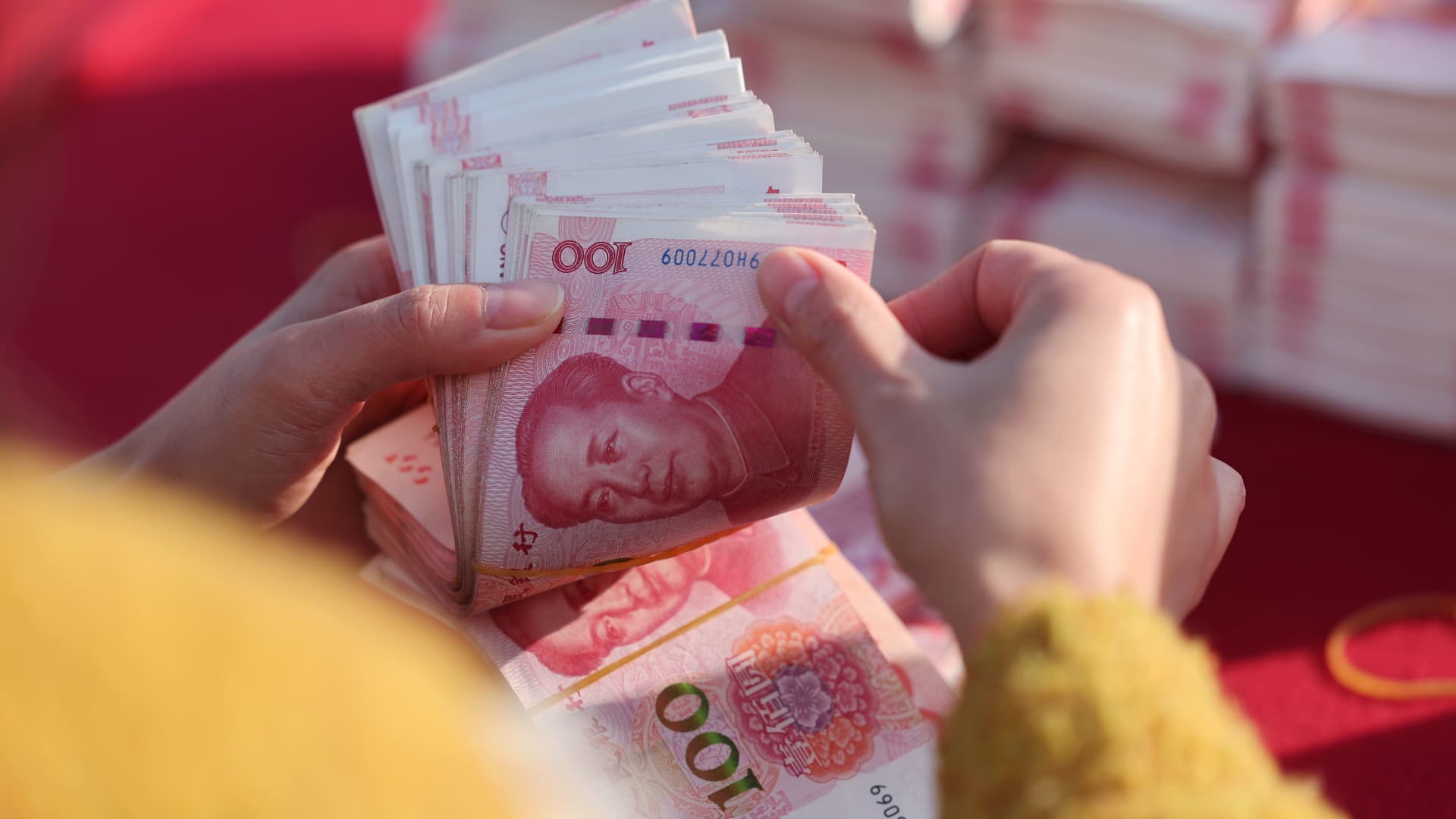
Will the Yuan’s Decline Challenge China’s Economic Stability Amid Tariff Fears?
The Chinese yuan has been experiencing a noticeable decline in recent months, raising concerns about its potential impact on China’s economic stability. As the yuan weakens, many are questioning whether Beijing can effectively navigate the turbulent waters of global trade, especially with the specter of rising tariffs looming on the horizon. The situation is further complicated by the possibility of Donald Trump’s return to power, a scenario that could reignite tariff tensions between the United States and China. This article delves into the implications of the yuan’s decline for China’s economy and the global market, exploring the factors at play and what they mean for the future.
The Current State of the Yuan
As of late 2023, the yuan has seen a significant depreciation against major currencies like the US dollar. This decline can be attributed to several factors, including China’s slowing economic growth, rising inflation, and increasing interest rates in the United States. The People’s Bank of China (PBOC) has intervened on multiple occasions to stabilize the yuan, yet these efforts have met with limited success in reversing its downward trajectory.
A weaker yuan can have both positive and negative effects on China’s economy. On one hand, a depreciated currency can make Chinese exports cheaper and more competitive in global markets, potentially boosting export-driven sectors. On the other hand, it raises the cost of imports, including essential commodities like oil and food, which could exacerbate inflationary pressures within China.
Implications for Economic Stability
The decline of the yuan poses a serious challenge to China’s economic stability. Here are some key implications:
- Inflationary Pressures: A weaker yuan increases the cost of imported goods, leading to higher consumer prices. This inflation can erode purchasing power, causing domestic consumption to slow.
- Capital Flight: Investors may lose confidence in the yuan, leading to capital outflows as they seek safer assets in other currencies. This could put additional pressure on the yuan and destabilize financial markets.
- Export Competitiveness: While a weaker yuan can help boost exports, it can also provoke retaliatory measures from trading partners. Countries may accuse China of currency manipulation, leading to heightened trade tensions.
- Debt Servicing Costs: Many Chinese corporations have borrowed heavily in foreign currencies. A weaker yuan increases the cost of servicing these debts, potentially leading to defaults and financial instability.
Tariff Fears and International Relations
The yuan’s decline coincides with rising fears about tariffs, particularly in the context of US-China relations. The potential return of Donald Trump to the presidency adds another layer of complexity to this situation. During his previous term, Trump implemented significant tariffs on Chinese goods, a strategy aimed at addressing trade imbalances and protecting American industries.
If Trump were to return to power, the likelihood of renewed tariff threats could rise significantly. This would exacerbate the challenges posed by a declining yuan, as tariffs would further increase the cost of Chinese exports and potentially lead to retaliatory tariffs from China. The resulting trade war could have dire consequences not just for China, but for the global economy as a whole.
Potential Strategies for China
In the face of these challenges, China has several strategies at its disposal to stabilize the yuan and maintain economic stability:
- Monetary Policy Adjustments: The PBOC could consider adjusting interest rates or implementing quantitative easing measures to support the yuan and stimulate economic growth.
- Strengthening Economic Fundamentals: Focusing on structural reforms to enhance productivity, innovation, and domestic consumption can help bolster the economy and stabilize the yuan.
- Diplomatic Engagement: China may seek to engage in diplomatic talks with the US to prevent the escalation of trade tensions and reduce the risk of tariffs.
- Diversifying Trade Partners: Reducing reliance on the US market by fostering trade relationships with other nations can provide a buffer against tariff threats.
Global Market Implications
The implications of the yuan’s decline extend beyond China’s borders, affecting global markets in various ways. A weaker yuan could lead to:
- Increased Volatility: Currency fluctuations can create uncertainty in financial markets, leading to increased volatility in stock prices and investment decisions.
- Impact on Commodity Prices: As the yuan weakens, the cost of commodities priced in dollars could rise for China, potentially leading to higher global prices for oil, metals, and agricultural products.
- Shifts in Investment Patterns: Investors may reassess their exposure to Chinese assets, leading to shifts in capital flows and potentially impacting emerging markets that are economically tied to China.
Conclusion
The decline of the yuan represents a significant challenge to China’s economic stability, particularly in light of potential tariff threats stemming from geopolitical tensions. As the global economy becomes increasingly interconnected, the ramifications of a weakening yuan are felt far and wide, affecting everything from inflation rates to investment strategies.
While China has several tools at its disposal to address these issues, the path forward will require careful navigation of both domestic and international landscapes. With the looming threat of tariffs and the complexities of global trade relationships, it remains to be seen how China will respond to maintain its economic stability amid these unfolding challenges. The world watches closely, as the outcomes of this situation could have far-reaching implications for global markets and economic relations for years to come.
See more CCTV News Daily